Structural Similarity:
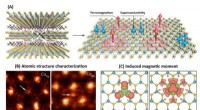
BN shares some structural similarities with carbon. Both elements can form hexagonal lattice structures, resulting in materials like graphene (from carbon) and hexagonal boron nitride (h-BN) from boron nitride. This structural similarity enables the comparison and transfer of knowledge gained from carbon nanomaterials to the design and synthesis of BN nanostructures.
Electronic Properties:
Boron nitride is a wide bandgap semiconductor, similar to diamond (a carbon allotrope), making it an ideal candidate for electronic applications. h-BN has a large bandgap of approximately 5.1 eV, surpassing that of silicon carbide (SiC) and approaching that of diamond (5.6 eV). This wide bandgap means that BN can withstand higher electric fields and has superior insulating properties.
Thermal Conductivity:
Boron nitride exhibits remarkably high thermal conductivity. Similar to carbon nanotubes, BN nanotubes (BNNTs) possess excellent thermal transport properties, making them promising materials for heat management and thermal interface applications.
Chemical Stability:
Both carbon and boron nitride are chemically inert and resistant to oxidation and corrosion. h-BN, in particular, has exceptional chemical stability due to its strong covalent bonding. This property makes BN nanostructures suitable for harsh environments and high-temperature applications.
Dielectric Properties:
Hexagonal boron nitride has excellent dielectric properties. Its high dielectric constant and low dielectric loss make it a valuable material for electronic devices, especially as a gate insulator in high-performance transistors.
Two-Dimensional Materials:
Just like carbon, boron nitride can be used to create two-dimensional (2D) materials. Hexagonal boron nitride (h-BN) sheets, analogous to graphene, are atomically thin layers with unique properties. These 2D BN sheets have high strength, flexibility, and insulating behavior, making them promising for various applications in electronics, optoelectronics, and composite materials.
While boron nitride shares some similarities with carbon and has emerged as a compelling material in nanotechnology, it also has its own distinct properties and advantages. Researchers and scientists are actively exploring the synthesis, characterization, and potential applications of BN nanostructures, leading to continuous advancements in this exciting field.