Solid tumors are one of the leading causes of cancer deaths worldwide. They are often difficult to treat because they are resistant to traditional chemotherapy and radiation therapy. However, a new type of nanomedicine called chimeric nanomicelles may offer hope for patients with solid tumors.
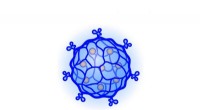
Chimeric nanomicelles are made of two different types of polymers that are linked together. The first polymer is hydrophilic, which means that it attracts water. The second polymer is hydrophobic, which means that it repels water. This combination of hydrophilic and hydrophobic polymers creates a nanomicelle that has a unique structure that can encapsulate and deliver drugs to tumors.
Chimeric nanomicelles are able to evade the body's immune system and deliver drugs directly to tumor cells. This is because the hydrophilic polymer on the surface of the nanomicelle prevents it from being recognized by the immune system. The hydrophobic polymer then allows the nanomicelle to penetrate the cell membrane of the tumor cell.
Once inside the tumor cell, the nanomicelle can release its drug payload. This drug can then kill the tumor cell or prevent it from growing. Chimeric nanomicelles can also be used to deliver imaging agents to tumors, which can help doctors to diagnose and monitor the progress of treatment.
Chimeric nanomicelles are currently being studied in clinical trials as a treatment for a variety of solid tumors, including breast cancer, lung cancer, and prostate cancer. The results of these studies are promising, and chimeric nanomicelles may eventually become an important new treatment option for patients with solid tumors.
Advantages of Chimeric Nanomicelles
Chimeric nanomicelles have a number of advantages over traditional chemotherapy and radiation therapy for solid tumors. These advantages include:
* Targeted delivery of drugs to tumors: Chimeric nanomicelles can evade the body's immune system and deliver drugs directly to tumor cells. This allows for more effective treatment of tumors with less damage to healthy cells.
* Reduced side effects: Chimeric nanomicelles are less toxic than traditional chemotherapy and radiation therapy. This is because they do not damage healthy cells as much as these other treatments.
* Increased efficacy: Chimeric nanomicelles can deliver higher doses of drugs to tumors than traditional chemotherapy and radiation therapy. This can lead to more effective treatment of tumors.
Conclusion
Chimeric nanomicelles are a promising new treatment option for solid tumors. They offer a number of advantages over traditional chemotherapy and radiation therapy, including targeted delivery of drugs to tumors, reduced side effects, and increased efficacy. Chimeric nanomicelles are currently being studied in clinical trials, and the results of these studies are promising. It is likely that chimeric nanomicelles will eventually become an important new treatment option for patients with solid tumors.