As is widely known, silicon anodes, which have much higher energy densities than graphite anodes, are extremely valuable negative electrode materials for use in next-generation lithium-ion batteries. However, the commercialization of silicon-based anodes has been hindered by the lack of a technology that can prevent structural destruction during charging and discharging processes.
A KAIST research team led by Professor Jaeyoung Jang of the Department of Materials Science and Engineering overcame the limitations of the conventional silicon anode preparation method by proposing a technology for producing anodes that utilize electrochemically etched graphite.
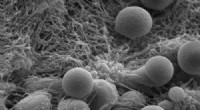
The researchers etched graphite with an electrochemical method to directly synthesize single silicon nanoparticles about 10 nm in size. This enabled the silicon particles to be stably embedded inside a carbon matrix, and the nanosized silicon played a role in significantly improving the energy density and lifespan of the negative electrode.
Professor Jang explained that the graphite etching method is superior to the existing method of mixing silicon nanoparticles and carbon, as it minimizes the degradation of the battery and enables direct synthesis of the negative electrode without additional processes. This will be the key to mass production and price competitiveness of silicon anodes.
He also added, "This research will serve as the foundation for enhancing the energy density of lithium-ion batteries with silicon anodes, which is the most important aspect that hinders the commercialization of next-generation batteries."
The research was supported by the National Research Foundation of Korea (NRF) and Samsung SDI. It was also published in the Journal of Materials Chemistry A.