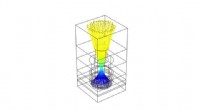
1. Chemical Vapor Deposition (CVD) with Controlled Gas Flow:
- Use CVD to grow carbon nanotubes.
- Precisely control the gas flow during synthesis to obtain thinner nanotubes.
- Adjust the ratio of carbon-containing gases to inert gases to influence the nanotube diameter.
2. Etching and Oxidation:
- Subject the carbon nanotubes to controlled etching using oxygen or hydrogen plasma.
- The plasma removes surface carbon atoms, reducing the nanotube diameter.
- Alternatively, expose the nanotubes to air or perform mild oxidation to reduce their size.
3. Nanotube Cutting:
- Use high-energy electron beams or focused ion beams to cut and shorten carbon nanotubes.
- This technique allows for precise control over the nanotube length and diameter.
4. Polymer Wrapping:
- Wrap the carbon nanotubes with polymers or other suitable materials.
- The polymer coating creates a protective barrier, preventing further growth and effectively shrinking the tube diameter.
5. Template-Assisted Growth:
- Use templates such as nanoporous membranes or zeolites to guide the growth of carbon nanotubes.
- The nanopores restrict the nanotube growth and result in smaller diameters.
6. Atomic Manipulation:
- Employ advanced techniques like scanning tunneling microscopy (STM) or atomic force microscopy (AFM) for highly precise atomic manipulation.
- Using a sharp tip, carefully remove carbon atoms from the nanotube structure to achieve shrinking.
It's important to note that these techniques require specialized equipment and expertise in manipulating materials at the nanoscale. Additionally, shrinking carbon nanotubes may alter their properties and performance, necessitating further optimization and characterization.