One of the most exciting applications of nanotechnology is in the field of medicine. Nanoparticles can be used to deliver drugs and genes directly to diseased cells, which can improve the effectiveness of treatment and reduce side effects. Nanoparticles can also be used to create new medical devices, such as biosensors and tissue scaffolds.
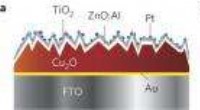
In the energy sector, nanotechnology can be used to develop more efficient solar cells, batteries, and fuel cells. Nanoparticles can also be used to extract oil and gas from underground reservoirs more efficiently.
In the manufacturing sector, nanotechnology can be used to create new materials with improved properties, such as strength, durability, and conductivity. Nanoparticles can also be used to develop new manufacturing processes that are more efficient and environmentally friendly.
Nanotechnology is still in its early stages of development, but it has the potential to revolutionize many different aspects of our lives. As research continues, we can expect to see even more innovative and groundbreaking applications of this technology in the years to come.
Here are some specific examples of how nanotechnology is being used today:
* Medicine: Nanoparticles are being used to deliver drugs and genes directly to diseased cells. For example, Doxil is a liposomal formulation of the chemotherapy drug doxorubicin that is used to treat breast cancer. Doxil is more effective than traditional doxorubicin because it can deliver the drug directly to cancer cells, which reduces side effects.
* Energy: Nanoparticles are being used to develop more efficient solar cells, batteries, and fuel cells. For example, quantum dots are semiconductor nanoparticles that can be used to improve the efficiency of solar cells. Quantum dots can absorb light of different wavelengths and convert it into electricity, which can increase the overall efficiency of the solar cell.
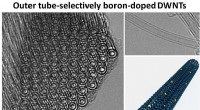
* Manufacturing: Nanoparticles are being used to create new materials with improved properties, such as strength, durability, and conductivity. For example, carbon nanotubes are tiny cylinders of carbon atoms that are stronger than steel and more conductive than copper. Carbon nanotubes can be used to make a variety of products, such as tennis rackets, fishing rods, and bulletproof vests.
Nanotechnology is a powerful technology with the potential to revolutionize many different aspects of our lives. As research continues, we can expect to see even more innovative and groundbreaking applications of this technology in the years to come.