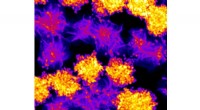
Photothermal Therapy:
Gold nanoparticles have a strong absorption in the near-infrared (NIR) region of the electromagnetic spectrum. When irradiated with NIR light, these nanoparticles convert absorbed light into heat, leading to localized heating of the surrounding environment. This heat generation can induce cell death in cancer cells without affecting healthy tissues, making it a targeted and noninvasive approach.
Photodynamic Therapy:
Gold nanoparticles can also be employed as photosensitizers for photodynamic therapy (PDT). Upon light irradiation, gold nanoparticles generate reactive oxygen species (ROS) that cause oxidative stress and cell damage in cancer cells. By delivering light to the tumor site and activating gold nanoparticles, PDT offers a localized and noninvasive treatment option.
Drug Delivery:
Gold nanoparticles can serve as efficient drug delivery vehicles for targeted cancer therapy. Drugs can be conjugated to the surface of gold nanoparticles or encapsulated within them. These drug-loaded nanoparticles can selectively accumulate in tumor tissues, owing to the enhanced permeability and retention (EPR) effect. Controlled release of drugs from gold nanoparticles can enhance treatment efficacy and reduce systemic toxicity.
Gene Therapy:
Gold nanoparticles can be utilized as carriers for gene therapy approaches. They can protect and deliver genetic material, such as DNA or RNA, to target cancer cells. This nonviral gene delivery method enables targeted genetic modifications to suppress tumor growth or restore normal cellular functions.
Imaging and Diagnostics:
Gold nanoparticles have excellent biocompatibility and can be functionalized with targeting ligands to selectively bind to cancer cells. These targeted gold nanoparticles can be used as contrast agents for various imaging modalities, including computed tomography (CT), magnetic resonance imaging (MRI), and optical imaging. They facilitate the early detection and accurate diagnosis of cancer, enabling timely and effective treatment.
In combination with advancements in nanotechnology and ongoing research, gold nanoparticles hold great potential for the development of noninvasive cancer treatments that are more targeted, effective, and less harmful to healthy tissues. However, further investigations and clinical trials are essential to fully evaluate the safety, efficacy, and long-term effects of gold nanoparticle-based cancer therapies.