1. Cellular Uptake:
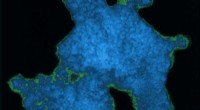
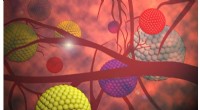
- Nanoparticles can enter cells through different mechanisms, including phagocytosis, pinocytosis, and receptor-mediated endocytosis.
- The size, shape, surface charge, and functionalization of nanoparticles affect their cellular uptake efficiency.
2. Intracellular Trafficking:
- Once inside the cells, nanoparticles can be transported to various cellular compartments, such as the cytoplasm, nucleus, mitochondria, or lysosomes.
- The intracellular trafficking pathways influence the fate and impact of nanoparticles on cellular functions.
3. Interactions with Cellular Components:
- Nanoparticles can interact with cellular components like proteins, lipids, and nucleic acids.
- These interactions may affect cellular processes such as enzyme activity, gene expression, and cell signaling pathways.
4. Biological Effects:
a) Beneficial Effects:
- Nanoparticles can be used for targeted drug delivery, enhancing drug efficacy while reducing side effects.
- They can serve as imaging agents for disease diagnosis and monitoring.
- Nanoparticles can be used in tissue engineering and regenerative medicine to promote cell growth and tissue repair.
b) Adverse Effects:
- Some nanoparticles can induce cellular toxicity, leading to cell death or dysfunction.
- They may cause oxidative stress, inflammation, genotoxicity, and immune system activation.
- Long-term exposure to nanoparticles may pose risks, particularly when they accumulate in the body.
5. Clearance and Excretion:
- Cells can clear nanoparticles through various mechanisms, including exocytosis, autophagy, and efflux pumps.
- The clearance efficiency affects the persistence of nanoparticles in the body and their potential long-term effects.
Studying cell-nanoparticle interactions is essential to identify the mechanisms underlying the biological effects of nanoparticles, predict potential risks, and design safer nanomaterials for biomedical and environmental applications.