1. Optimization and Problem Solving: Slime molds exhibit remarkable problem-solving abilities, particularly in finding efficient paths or solutions to complex problems. Researchers have studied how slime molds can solve computational problems such as the shortest path problem, the traveling salesman problem, and network optimization. By mimicking the foraging behavior of slime molds, algorithms can be developed to find optimal solutions to these problems in a decentralized and efficient manner.
2. Bio-Inspired Computing: Slime molds serve as a source of inspiration for bio-inspired computing approaches, where nature-inspired algorithms are used to address computational challenges. By understanding how slime molds collectively make decisions and explore their environment, researchers can develop algorithms that leverage self-organization, adaptation, and collective intelligence to solve problems. This field of bio-inspired computing holds promise for various areas, including optimization, networking, and artificial intelligence.
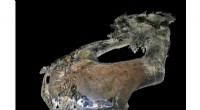
3. Morphological Computation: Slime molds undergo distinct morphological changes during their life cycle, transitioning between single-celled amoebas and multicellular plasmodium. This dynamic behavior has inspired the concept of morphological computation, where information is encoded and processed through physical changes in the structure of the material. By designing computational systems that can morph and reconfigure, researchers aim to achieve efficient and fault-tolerant computing.
4. Parallel and Distributed Computing: Slime molds exhibit decentralized decision-making and collective behavior, which can be leveraged for parallel and distributed computing. Each individual cell within a slime mold colony contributes to the overall intelligence of the organism without the need for a central controller. This decentralized approach can inspire the development of distributed computing systems that are resilient, scalable, and capable of handling large-scale data processing tasks.
5. Robotics and Autonomous Systems: The collective movement and navigation capabilities of slime molds have relevance to robotics and autonomous systems. By studying the sensing, communication, and decision-making mechanisms of slime molds, researchers aim to develop robust algorithms for autonomous robots and swarms of robots that can navigate complex environments and make decentralized decisions.
While the potential of slime molds in computing is still an active area of research, exploring these avenues can lead to innovative computational approaches inspired by nature. By understanding and harnessing the unique characteristics of slime molds, we can unlock new possibilities in problem-solving, optimization, bio-inspired computing, and the development of autonomous systems.