1. Antibacterial Properties: Graphene has been found to exhibit antibacterial properties against various oral bacteria, including those responsible for tooth decay (Streptococcus mutans) and gum disease (Porphyromonas gingivalis). By incorporating graphene into dental materials, such as fillings and sealants, it may be possible to inhibit the growth of these harmful bacteria and reduce the risk of cavities and gum disease.
2. Enhanced Dental Adhesives: Graphene-based materials have shown potential in enhancing the adhesion of dental adhesives to tooth surfaces. This improved adhesion can lead to more durable fillings and reduced risk of leakage, thereby preventing the development of recurrent cavities.
3. Biosensing and Diagnostics: Graphene's electrical properties make it a suitable material for biosensing applications. By functionalizing graphene with specific molecules, it can be used to detect biomarkers associated with oral diseases, such as caries or periodontal disease. This could enable early detection and monitoring of oral health conditions, allowing for timely intervention.
4. Tissue Engineering and Regeneration: Graphene has shown promise in tissue engineering and regenerative applications, including those related to periodontal tissue regeneration. By providing a supportive scaffold for cell growth, graphene-based materials could aid in the regeneration of damaged gum tissue and bone, promoting periodontal health.
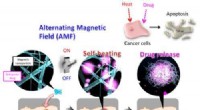
5. Drug Delivery: Graphene's ability to interact with and transport molecules makes it a potential carrier for targeted drug delivery in dentistry. By functionalizing graphene with specific molecules or drugs, it can be used to deliver therapeutic agents directly to the affected areas, enhancing treatment efficacy and minimizing systemic side effects.
6. Photodynamic Therapy: Graphene-based materials have been explored for photodynamic therapy, a treatment approach that involves using light-activated agents to kill bacteria. By combining graphene with photosensitizers, it may be possible to develop more effective and targeted photodynamic therapy methods for treating periodontal infections.
While graphene shows great potential in dentistry, it is important to note that further research and development are needed to fully understand its behavior and effects in the oral environment. Clinical trials and long-term studies are necessary to evaluate the safety, efficacy, and durability of graphene-based dental applications.