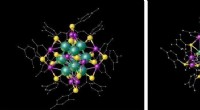
Here's how giant nanoparticles can cause the sputter effect in SOFCs:
1. Formation of Giant Nanoparticles: During the operation of an SOFC, the fuel gas (usually hydrogen) reacts with oxygen ions at the anode to produce water vapor and release electrons. These electrons flow through the external circuit, generating an electric current. However, under certain conditions, especially at high operating temperatures, the anode material (typically nickel) can start to agglomerate and form giant nanoparticles.
2. Sputtering Process: The giant nanoparticles formed at the anode surface are exposed to the high-temperature environment and can become highly mobile. These nanoparticles can be sputtered or ejected from the anode surface due to collisions with high-energy gas molecules or ions present in the fuel gas.
3. Deposition on Cathode: The sputtered nanoparticles can travel across the electrolyte and deposit on the cathode surface. Since the cathode is usually made of a porous material, the nanoparticles can accumulate in its pores, blocking the active surface area and hindering the oxygen reduction reaction.
4. Performance Degradation: The accumulation of nanoparticles on the cathode surface obstructs the flow of oxygen to the cathode's active sites. As a result, the oxygen reduction reaction rate decreases, leading to a reduction in the overall cell performance. This phenomenon is commonly observed as a voltage drop over time in SOFCs.
5. Increased Cell Resistance: The presence of nanoparticles on the cathode surface also increases the cell's internal resistance. This is because the nanoparticles act as barriers, hindering the transfer of electrons and ions between the cathode and the electrolyte. The increased resistance further contributes to the decrease in cell performance.
6. Long-Term Stability: The sputter effect caused by giant nanoparticles can have a significant impact on the long-term stability and durability of SOFCs. Prolonged exposure to high temperatures and fuel gas can accelerate the formation and sputter of nanoparticles, leading to a gradual degradation of cell performance over time.
Minimizing the formation and impact of giant nanoparticles is a key challenge in the development of high-performance and durable SOFCs. Various strategies, such as optimizing the anode microstructure, modifying the fuel composition, and incorporating nanoparticle mitigation techniques, have been investigated to address the sputter effect and improve the overall performance and stability of SOFCs.