Nanoparticles are tiny particles that are used in a variety of applications, including drug delivery. A new study has found that nanoparticles can also be used to treat intestinal inflammation.
The study, which was published in the journal Nature Nanotechnology, found that nanoparticles made of a material called poly(lactic-co-glycolic acid) (PLGA) could effectively reduce inflammation in mice with colitis, a type of intestinal inflammation. The nanoparticles were able to deliver a drug called dexamethasone directly to the colon, where it was able to reduce inflammation and improve symptoms.
The researchers believe that nanoparticles could be a promising new way to treat intestinal inflammation. They are currently investigating the use of nanoparticles to treat other types of inflammatory diseases.
How do nanoparticles work to treat intestinal inflammation?
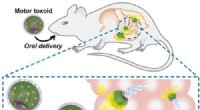
Nanoparticles work to treat intestinal inflammation by delivering drugs directly to the colon. This is important because the colon is where most intestinal inflammation occurs. Nanoparticles are able to bypass the stomach and small intestine, where drugs can be broken down or absorbed before they reach the colon.
Once nanoparticles reach the colon, they release the drug they are carrying. The drug can then reduce inflammation and improve symptoms.
What are the benefits of using nanoparticles to treat intestinal inflammation?
There are several benefits to using nanoparticles to treat intestinal inflammation. These benefits include:
* Nanoparticles can deliver drugs directly to the colon, where they are most needed.
* Nanoparticles can bypass the stomach and small intestine, where drugs can be broken down or absorbed before they reach the colon.
* Nanoparticles can improve the bioavailability of drugs, which means that a lower dose of drug can be used to achieve the same effect.
* Nanoparticles can reduce the side effects of drugs, because they can target the drug to the colon and avoid other parts of the body.
What are the challenges of using nanoparticles to treat intestinal inflammation?
There are also some challenges associated with using nanoparticles to treat intestinal inflammation. These challenges include:
* Nanoparticles can be expensive to produce.
* Nanoparticles can be difficult to control, which can lead to problems with drug delivery.
* Nanoparticles can interact with other drugs, which can lead to side effects.
Conclusion
Nanoparticles show promise for treating intestinal inflammation. They are able to deliver drugs directly to the colon, where they are most needed. This can improve the bioavailability of drugs, reduce the side effects of drugs, and improve symptoms of intestinal inflammation. However, there are also some challenges associated with using nanoparticles to treat intestinal inflammation, such as the cost of production and the difficulty of controlling nanoparticles.