Graphene's Potential in Mosquito Repellency
The efficacy of graphene in preventing mosquito bites stems from several factors:
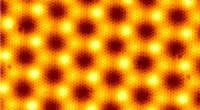
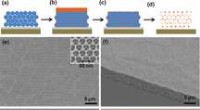
1. Physical Barrier: Graphene's atomic structure creates a closely packed layer that acts as a physical barrier, preventing mosquitoes from penetrating the fabric and reaching the skin.
2. Electrical Properties: Graphene's excellent electrical conductivity allows for the integration of electronic components, such as sensors and repellents, into the clothing. This could enable active mosquito repellency by emitting repelling signals or releasing controlled doses of repellents.
3. Thermal Regulation: Graphene's high thermal conductivity could help regulate body temperature and create a less attractive microclimate for mosquitoes, which are sensitive to temperature changes.
Challenges and Considerations
While graphene holds promise in mosquito bite prevention, several challenges and considerations must be addressed for its successful implementation:
1. Durability and Comfort: Graphene-based fabrics must be durable and comfortable to wear, withstanding daily wear and tear and ensuring breathability and flexibility for the wearer.
2. Cost-effectiveness: The production cost of graphene-lined clothing must be competitive with traditional materials to ensure its affordability and widespread adoption.
3. Environmental Impact: The environmental implications of graphene production and disposal must be carefully assessed to minimize any adverse effects.
4. Safety Concerns: Comprehensive safety evaluations are essential to ensure that graphene-lined clothing poses no health risks to humans when used in close proximity to the skin.
Future Research and Development
Further research and development are necessary to fully understand and harness graphene's potential in mosquito bite prevention. This includes exploring graphene's optimal properties, such as thickness, composition, and integration with other materials, to enhance its effectiveness. Real-world testing and field trials will be crucial in assessing the practical applicability and effectiveness of graphene-lined clothing in different environments.
Conclusion
Graphene's unique properties hold great promise for its use in mosquito bite prevention. While challenges and considerations remain, ongoing research and development efforts could pave the way for the creation of innovative graphene-lined clothing that offers effective protection against mosquito bites, reducing the risk of mosquito-borne diseases and improving public health outcomes.