Carbon nanosheets (CNSs) are two-dimensional carbon materials with a high surface area and excellent electrical conductivity. These properties make them ideal candidates for use in supercapacitors, which are energy storage devices that offer high power density and long cycle life.
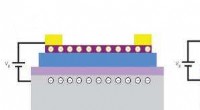
When CNSs are combined with manganese dioxide (MnO2), a material with high specific capacitance, the resulting composite electrode exhibits remarkable performance in supercapacitors. The CNSs provide a highly conductive network for electron transport, while the MnO2 nanoparticles provide a large surface area for charge storage.
This combination of properties results in supercapacitors with high specific capacitance, excellent rate capability, and long cycle life. In addition, CNSs are flexible and lightweight, making them ideal for use in portable electronic devices.
Advantages of CNSs in Supercapacitors
There are several advantages to using CNSs in supercapacitors, including:
* High surface area: CNSs have a high surface area, which provides a large number of sites for charge storage. This results in high specific capacitance.
* Excellent electrical conductivity: CNSs are highly conductive, which allows for fast electron transport. This results in low equivalent series resistance (ESR) and high power density.
* Flexible and lightweight: CNSs are flexible and lightweight, making them ideal for use in portable electronic devices.
* Low cost: CNSs are relatively low-cost to produce, making them a cost-effective option for supercapacitors.
Applications of CNSs in Supercapacitors
CNSs are used in a variety of applications, including:
* Portable electronic devices: CNSs are ideal for use in portable electronic devices, such as smartphones, laptops, and tablets. They offer high power density and long cycle life, which are essential for these devices.
* Electric vehicles: CNSs are also used in electric vehicles, where they provide high power density and long cycle life.
* Industrial applications: CNSs are used in a variety of industrial applications, such as power tools, medical devices, and telecommunications equipment.
Conclusion
Carbon nanosheets are a promising material for supercapacitors. They offer a number of advantages, including high surface area, excellent electrical conductivity, flexibility, lightweight, and low cost. These properties make CNSs ideal for use in a variety of applications, including portable electronic devices, electric vehicles, and industrial applications.