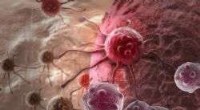
The study, published in the journal Nature Microbiology, found that the parasite that causes babesiosis, Babesia microti, is transmitted to humans through the saliva of infected blacklegged ticks. Once in the human body, the parasite invades red blood cells, where it multiplies and destroys the cells, leading to symptoms such as fatigue, fever, chills, and muscle aches.
Researchers have identified a key protein in the saliva of blacklegged ticks that plays a crucial role in facilitating the transmission of the Babesia parasite to humans. This protein, known as salivary protein 15 (SP15), binds to a specific receptor on human red blood cells, allowing the parasite to invade and infect the cells.
The findings suggest that targeting SP15 could be a potential strategy to prevent babesiosis transmission and infection. By developing drugs or vaccines that block the interaction between SP15 and human red blood cells, it may be possible to reduce the risk of infection and improve patient outcomes.
Babesiosis is an emerging tick-borne disease that has been increasingly reported in the United States and other parts of the world. The disease can be life-threatening, especially in individuals with weakened immune systems or underlying medical conditions.
The identification of the key protein involved in Babesia transmission provides a promising avenue for developing new and more effective strategies to prevent and treat babesiosis, ultimately contributing to the improved management and control of this emerging disease.