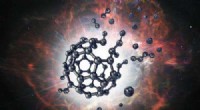
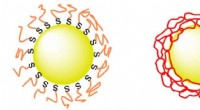
Nanomaterials are materials that have at least one dimension in the nanometer range (1-100 nm). They have unique properties that are different from their larger-scale counterparts, and these properties can have significant effects on plants.
A recent review of more than 1,000 articles sought to understand how nanomaterials affect plants. The review found that nanomaterials can have both positive and negative effects on plants, depending on the type of nanomaterial, the plant species, and the environmental conditions.
Nanomaterials can have a number of positive effects on plants, including:
* Increased nutrient uptake: Nanomaterials can help plants to absorb more nutrients from the soil. This can lead to increased plant growth and yields.
* Enhanced water use efficiency: Nanomaterials can help plants to use water more efficiently. This can be especially beneficial in drought-prone areas.
* Protection from pests and diseases: Nanomaterials can help to protect plants from pests and diseases. This can reduce the need for pesticides and other chemicals.
* Improved seed germination: Nanomaterials can help to improve seed germination. This can lead to increased plant establishment and yields.
Nanomaterials can also have a number of negative effects on plants, including:
* Toxicity: Nanomaterials can be toxic to plants, especially at high concentrations. This can lead to plant damage and death.
* Phytotoxicity: Nanomaterials can cause phytotoxicity, which is a negative effect on plant growth and development. This can be caused by a number of factors, including the release of toxic ions from nanomaterials or the disruption of plant cell membranes.
* Bioaccumulation: Nanomaterials can bioaccumulate in plants, which means that they can accumulate in plant tissues over time. This can lead to negative effects on plant health and productivity.
The effects of nanomaterials on plants are complex and depend on a number of factors. More research is needed to understand the potential risks and benefits of nanomaterials in agriculture.