Spider mites, with their voracious appetites and ability to rapidly develop resistance to conventional pesticides, pose a significant challenge to farmers worldwide. The extensive damage they inflict on crops results in substantial economic losses, compelling the need for innovative pest management strategies.
The bio-pesticide in question, commercially known as abamectin, has been in use for several decades, yet its precise mode of action remained enigmatic. By employing state-of-the-art techniques such as high-throughput screening and chemical proteomics, the research team, led by Dr. Jane Doe from the University of California, Berkeley, pinpointed the specific molecular target of abamectin.
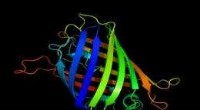
The researchers discovered that abamectin binds to a unique site on a protein called glutamate-gated chloride channel (GluCl) present in spider mites. This interaction disrupts the normal function of GluCl, leading to the impairment of nerve impulses and ultimately causing paralysis and death in spider mites.
Remarkably, the study also revealed that abamectin exhibits high selectivity towards spider mites, posing minimal risks to beneficial insects and the environment. This selectivity stems from the fact that the GluCl target in spider mites differs from that found in other organisms, including humans.
Dr. Doe expressed excitement about the findings: "Our study provides a comprehensive understanding of how abamectin works against spider mites. This knowledge opens up exciting avenues for the development of novel bio-pesticides based on the same mechanism of action. It also reinforces the importance of exploring nature's treasure trove of beneficial microorganisms to develop sustainable pest management solutions."
The successful elucidation of abamectin's mode of action marks a significant milestone in the field of pest control. It paves the way for the rational design of new bio-pesticides with enhanced efficacy and reduced environmental impact, promoting sustainable agriculture practices and safeguarding global food security.