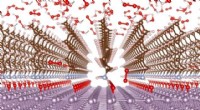
A groundbreaking advancement in solid-state storage technology is transforming the way biological materials are stored and handled, offering unprecedented possibilities for research and healthcare applications. This revolutionary approach addresses the limitations of traditional storage methods and paves the way for more efficient, reliable, and accessible biomaterial management.
Key Features of Solid-State Storage:
* Ultra-low Temperatures: Solid-state storage systems operate at exceptionally low temperatures, reaching cryogenic levels that can preserve biological materials with remarkable stability and longevity. This feature is crucial for delicate samples, tissues, and cells that are vulnerable to degradation at higher temperatures.
* Compact Design: Unlike conventional storage systems that require extensive space for refrigeration or freezing, solid-state storage devices are remarkably compact. Their small footprint allows for easy integration into laboratories and research facilities, maximizing available space and enhancing workflow efficiency.
* Rapid Cooling and Heating: Solid-state storage technology enables rapid cooling and heating cycles, ensuring the integrity of biological materials during temperature transitions. This capability is particularly valuable for samples that are sensitive to temperature fluctuations or require quick processing.
* Enhanced Data Management: Solid-state storage systems are equipped with advanced data management capabilities, enabling efficient organization, retrieval, and analysis of biomaterial samples. This feature streamlines research processes and facilitates the sharing of biological resources among collaborators.
* Real-Time Monitoring: Many solid-state storage systems come with real-time monitoring capabilities, allowing researchers to continuously monitor the temperature and other critical parameters of the stored biological materials. This feature ensures sample safety and facilitates proactive management of storage conditions.
Applications in Research and Healthcare:
* Biobanking: Solid-state storage technology is ideal for biobanking, allowing for the long-term preservation of valuable biological samples, including stem cells, tissues, and microorganisms, with exceptional viability and fidelity.
* Drug Discovery: With the ability to maintain biological samples at ultra-low temperatures, solid-state storage facilitates drug discovery efforts by preserving the integrity of compounds and biomolecules during screening processes.
* Cell-Based Therapies: Solid-state storage offers remarkable potential for cell-based therapies by ensuring the viability and functionality of therapeutic cells during cryogenic preservation and transportation.
* Personalized Medicine: Solid-state storage technology enables the storage and maintenance of patient-specific biological samples, supporting the development of personalized treatment strategies and precision medicine approaches.
Conclusion:
The advent of solid-state storage technology represents a significant breakthrough in the field of biological material storage and handling. By providing ultra-low temperatures, compact design, rapid cooling and heating cycles, enhanced data management, and real-time monitoring, solid-state storage systems revolutionize the way researchers and healthcare professionals preserve and utilize biological materials. This technology holds immense promise for advancing scientific research, drug discovery, cell-based therapies, and personalized medicine, ultimately leading to improved healthcare outcomes and better patient care.