Rice bran, a byproduct of rice milling, is a rich source of nutrients, including fiber, protein, vitamins, and minerals. It also contains a variety of bioactive compounds, including antioxidants, phytosterols, and ferulic acid. These compounds have been shown to have a number of health benefits, including reducing the risk of heart disease, stroke, and cancer.
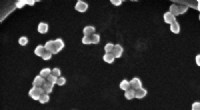
In recent years, there has been growing interest in the use of rice bran nanoparticles as a targeted anticancer agent. Rice bran nanoparticles are small particles that are made from rice bran extract. They have a high surface area and a negative charge, which allows them to easily bind to cancer cells. Once bound to cancer cells, rice bran nanoparticles can deliver a variety of therapeutic agents, such as drugs, genes, or siRNA.
Rice bran nanoparticles have been shown to be effective in killing cancer cells in vitro and in vivo. In one study, rice bran nanoparticles loaded with doxorubicin, a chemotherapy drug, were shown to be more effective in killing breast cancer cells than doxorubicin alone. In another study, rice bran nanoparticles loaded with siRNA targeting the HER2 gene were shown to be effective in inhibiting the growth of HER2-positive breast cancer cells.
In addition to their anticancer activity, rice bran nanoparticles are also relatively affordable and easy to produce. This makes them a promising candidate for use as a targeted anticancer agent in low- and middle-income countries.
Conclusion
Rice bran nanoparticles are a promising new anticancer agent. They are effective in killing cancer cells in vitro and in vivo, and they are relatively affordable and easy to produce. This makes them a potential game-changer in the fight against cancer.