Cellulose is a complex sugar molecule that is composed of long chains of glucose molecules. In order to convert cellulose into biofuels, it must first be broken down into glucose molecules. This process, known as cellulose hydrolysis, is typically carried out by enzymes called cellulases.
However, the breakdown of cellulose is often slow and inefficient due to the presence of molecular roadblocks. These roadblocks include lignin, a complex polymer that coats the surface of cellulose fibers, and hemicellulose, another type of sugar molecule that is closely associated with cellulose.
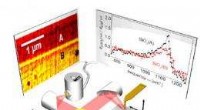
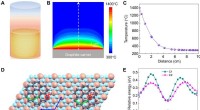
In their study, the researchers used a combination of experimental and computational techniques to investigate how these molecular roadblocks inhibit the activity of cellulases. They found that lignin and hemicellulose can both block the active sites of cellulases, preventing them from binding to and breaking down cellulose.
The researchers also found that the presence of lignin and hemicellulose can also slow down the diffusion of cellulases to the cellulose surface. This means that it takes longer for the enzymes to reach the cellulose and begin breaking it down.
The findings of this study could help scientists design cellulases that are more resistant to molecular roadblocks. This could lead to more efficient and cost-effective biofuel production.
"Our study provides a detailed understanding of how molecular roadblocks inhibit the breakdown of cellulose," said lead researcher Jennifer Reed, a postdoctoral researcher in the Department of Chemistry at UC Berkeley. "This information could be used to design cellulases that are more efficient at breaking down cellulose for biofuel production."
The research team is now working on designing new cellulases that are more resistant to molecular roadblocks. They hope that these enzymes could one day be used to produce biofuels more efficiently and cost-effectively.