Genomic sequencing is a process of determining the sequence of nucleotides within a DNA molecule. It is a fundamental technique in genetics and genomics, and has a wide range of applications in fields such as medicine, biotechnology, and evolutionary biology.
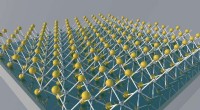
Silicon nitride is a ceramic material that is known for its high strength, hardness, and thermal conductivity. It is also biocompatible, which means that it is safe for use in biological applications. Silicon nitride has been used in a variety of biomedical devices, including heart valves, dental implants, and bone grafts.
In recent years, there has been growing interest in the use of silicon nitride for genomic sequencing. Silicon nitride can be used to create tiny pores that are just a few nanometers in diameter. These pores can be used to trap DNA molecules, and the sequence of nucleotides in the DNA can then be determined by using a variety of chemical techniques.
One of the advantages of using silicon nitride for genomic sequencing is that it is compatible with common chemistry. This means that existing DNA sequencing protocols can be used with silicon nitride, without the need for specialized equipment or reagents.
Another advantage of using silicon nitride is that it is very strong and durable. This makes it well-suited for high-throughput sequencing applications, where millions or even billions of DNA molecules need to be sequenced in a short period of time.
The use of silicon nitride and common chemistry has the potential to revolutionize genomic sequencing. By making genomic sequencing faster, cheaper, and more accurate, silicon nitride could open up new possibilities for research and clinical diagnostics.
Here are some specific examples of how silicon nitride and common chemistry could be used to revolutionize genomic sequencing:
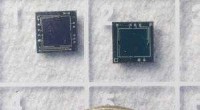
* Rapid DNA sequencing: Silicon nitride could be used to create ultra-fast DNA sequencing chips that could sequence a human genome in a matter of hours or even minutes. This would dramatically speed up the process of genomic analysis, and could make it possible to sequence the genomes of large populations of people in a short period of time.
* Low-cost DNA sequencing: Silicon nitride could also be used to develop low-cost DNA sequencing methods that could make it affordable to sequence the genomes of individuals and families. This would allow for personalized medicine, where treatments can be tailored to each individual's unique genetic makeup.
* Portable DNA sequencing: Silicon nitride could also be used to create portable DNA sequencing devices that could be used in remote areas or in the field. This would make it possible to sequence DNA on the spot, without the need to send samples to a lab.
The use of silicon nitride and common chemistry has the potential to revolutionize genomic sequencing and make it a more powerful tool for research and clinical diagnostics.