NDNs have unique properties that make them promising therapeutic agents for infected wounds:
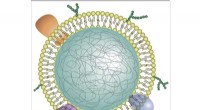
Antimicrobial Activity: NDNs inherit the antimicrobial properties of activated neutrophils. They carry various antimicrobial molecules, including reactive oxygen species (ROS), antimicrobial peptides, and enzymes, which can directly kill or inhibit the growth of bacteria, fungi, and other pathogens.
Enhanced Wound Healing: NDNs have been found to promote wound healing by stimulating the migration and proliferation of various cell types involved in tissue repair, such as fibroblasts and endothelial cells. They can also reduce inflammation and facilitate the formation of new blood vessels, which is essential for efficient wound healing.
Immunomodulatory Effects: NDNs can modulate the immune response within the wound environment. They can enhance the phagocytic activity of macrophages, another type of white blood cell involved in pathogen elimination, and regulate the production of inflammatory mediators, thereby promoting a more balanced immune response and preventing excessive inflammation.
Biocompatibility: NDNs are derived from the patient's own neutrophils, making them biocompatible and less likely to elicit adverse immune reactions. This autologous nature of NDNs reduces the risk of rejection or complications.
Given these promising characteristics, engineered NDNs have been explored in preclinical studies for the treatment of infected wounds. Researchers have isolated and modified NDNs to enhance their therapeutic potential, such as by loading them with additional antimicrobial agents or targeting them to specific receptors on immune cells. These modified NDNs have shown improved efficacy in reducing bacterial burden, promoting tissue regeneration, and accelerating wound closure in animal models.
While the results from preclinical studies are encouraging, further research is necessary to fully evaluate the safety and efficacy of engineered NDNs in humans. Clinical trials are underway to investigate their potential as a novel therapeutic approach for infected wounds, and the outcomes of these trials will provide valuable insights into the clinical translation of this promising treatment strategy.