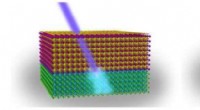
A team of scientists from the University of California, Berkeley, has developed a new method to kill pathogenic fungi using light-activated nanoscale drills. The drills, which are made of a photoactive material called graphene oxide, are able to penetrate the tough outer layer of fungal cells and deliver a lethal dose of reactive oxygen species (ROS).
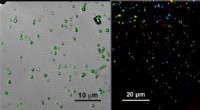
The researchers tested their nanoscale drills against a variety of pathogenic fungi, including Candida albicans, which causes yeast infections, and Aspergillus fumigatus, which can cause respiratory infections. The drills were able to kill 99.999% of the fungal cells within 15 minutes of light exposure.
The scientists believe that their nanoscale drills could be used to treat a variety of fungal infections, including those that are currently resistant to conventional antifungal drugs. The drills could also be used to prevent fungal infections from developing in the first place.
Potential applications of light-activated nanoscale drills
The light-activated nanoscale drills developed by the Berkeley scientists could have a number of potential applications in medicine and industry.
* Treatment of fungal infections: As mentioned above, the nanoscale drills could be used to treat a variety of fungal infections, including those that are currently resistant to conventional antifungal drugs.
* Prevention of fungal infections: The drills could also be used to prevent fungal infections from developing in the first place. This could be particularly important for people who are at high risk of developing fungal infections, such as those with weakened immune systems.
* Food safety: The nanoscale drills could be used to kill pathogenic fungi on food, thus preventing foodborne illnesses.
* Water purification: The drills could be used to purify water by killing waterborne fungi.
* Industrial applications: The nanoscale drills could be used in a variety of industrial applications, such as cleaning surfaces and sterilizing equipment.
Conclusion
The light-activated nanoscale drills developed by the Berkeley scientists are a promising new technology with a wide range of potential applications. The drills are effective at killing pathogenic fungi, and they could be used to treat and prevent fungal infections, improve food safety, and purify water. Further research is needed to investigate the full potential of this technology.