The blood-brain barrier is a protective layer of cells that prevents harmful substances from entering the brain. However, the study, published in the journal Nature Nanotechnology, found that plastic particles as small as 20 nanometers can pass through the barrier and reach the brain.
The particles can cause inflammation in the brain, which can lead to a range of health problems, including memory loss, cognitive impairment, and depression. The study also found that the particles can damage brain cells and lead to cell death.
The study was conducted on mice, but the researchers say that the findings are likely to be applicable to humans. They say that their findings could have implications for public health, as plastic pollution is a growing problem.
The researchers say that more research is needed to understand the full effects of plastic particles on the brain and to develop ways to prevent them from entering the brain.
"Our study provides evidence that polystyrene nanoparticles can cross the blood-brain barrier and cause neuroinflammation," said lead researcher Dr. Xiaoyan Li, of the University of California, Davis. "This suggests that plastic nanoparticles may be a risk factor for brain disorders."
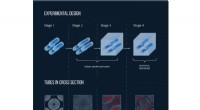
The researchers exposed mice to polystyrene nanoparticles for four weeks. They found that the particles were able to cross the blood-brain barrier and reach the brain. The particles caused inflammation in the brain and damage to brain cells.
The researchers say that their findings could have implications for public health, as plastic pollution is a growing problem. They say that more research is needed to understand the full effects of plastic particles on the brain and to develop ways to prevent them from entering the brain.
"Plastic pollution is a serious environmental problem," said Dr. Li. "Our study suggests that plastic nanoparticles may also be a health risk. More research is needed to investigate the effects of plastic nanoparticles on human health."