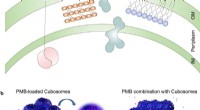
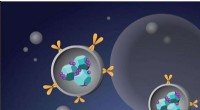
The COVID-19 virus, officially known as SARS-CoV-2, is a member of the coronavirus family, which also includes viruses that cause the common cold. Coronaviruses are enveloped viruses, meaning they have a lipid (fatty) membrane surrounding their genetic material. The virus enters human cells by binding to a protein called ACE2 on the cell surface, and then the viral membrane fuses with the cell membrane, allowing the viral genetic material to enter the cell.
Once inside the cell, the virus uses the cell's machinery to make copies of its own RNA, the genetic material of the virus. The RNA copies are then packaged into new viral particles, which are released from the cell and can infect other cells.
The new study reveals a previously unknown step in the virus's replication cycle. After the viral RNA has been copied, it must be transported to the site where the new viral particles are assembled. This transport is carried out by a protein called nsp10. The researchers found that nsp10 binds to a protein called hnRNP-A1, which is involved in the transport of RNA within cells. This interaction is essential for the virus to replicate, and blocking this interaction could prevent the virus from spreading.
The discovery of this new step in the virus's replication cycle could lead to the development of new antiviral therapies targeting nsp10 or hnRNP-A1. These therapies could potentially be used to treat COVID-19 and prevent the spread of the virus.