Solid tumors are a major cause of cancer-related deaths worldwide. Conventional treatments for solid tumors, such as surgery, chemotherapy, and radiation therapy, are often ineffective and can cause severe side effects. Novel therapeutic approaches are urgently needed to improve the treatment of solid tumors.
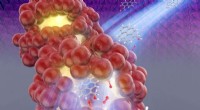
Chimeric nanomicelles are a promising new class of drug delivery vehicles that have the potential to overcome the limitations of conventional therapies. Chimeric nanomicelles are self-assembled structures that are composed of two or more different types of polymers. This unique structure allows chimeric nanomicelles to encapsulate a variety of therapeutic agents and to target them specifically to solid tumors.
Advantages of chimeric nanomicelles for solid tumor treatment
Chimeric nanomicelles offer several advantages over conventional drug delivery systems for the treatment of solid tumors. These advantages include:
* Enhanced drug delivery: Chimeric nanomicelles can encapsulate a variety of therapeutic agents, including small molecules, peptides, proteins, and nucleic acids. This allows chimeric nanomicelles to deliver a wide range of drugs to solid tumors.
* Targeted delivery: Chimeric nanomicelles can be functionalized with targeting ligands that specifically bind to receptors on solid tumor cells. This allows chimeric nanomicelles to deliver drugs directly to solid tumors, reducing the risk of side effects.
* Sustained release: Chimeric nanomicelles can be designed to release drugs slowly over time. This allows chimeric nanomicelles to maintain therapeutic drug levels in solid tumors for an extended period of time.
* Reduced toxicity: Chimeric nanomicelles are typically less toxic than conventional drug delivery systems. This is because chimeric nanomicelles are made from biocompatible materials and they do not accumulate in healthy tissues.
Clinical potential of chimeric nanomicelles for solid tumor treatment
Chimeric nanomicelles have shown promising results in preclinical studies for the treatment of solid tumors. These studies have shown that chimeric nanomicelles can effectively deliver drugs to solid tumors, inhibit tumor growth, and improve survival.
Chimeric nanomicelles are currently being evaluated in clinical trials for the treatment of a variety of solid tumors, including breast cancer, lung cancer, and colon cancer. These clinical trials are investigating the safety and efficacy of chimeric nanomicelles as well as their potential to improve patient outcomes.
Conclusion
Chimeric nanomicelles are a promising new class of drug delivery vehicles for the treatment of solid tumors. Chimeric nanomicelles offer several advantages over conventional drug delivery systems, including enhanced drug delivery, targeted delivery, sustained release, and reduced toxicity. Clinical trials are currently underway to evaluate the safety and efficacy of chimeric nanomicelles for the treatment of a variety of solid tumors.