A flintlock gun is a firearm that uses a flint to create a spark that ignites the gunpowder. This type of gun was widely used from the 17th to the 19th century, and it played a significant role in many historical events, including the American Revolution.
The flintlock mechanism consists of several main components:
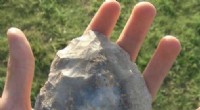
1) Flint: The flint is a small piece of hard rock, such as flint or chert, that is attached to the hammer of the gun.
2) Frizz, Fiz, or Frizzen: The frizzen is a small piece of steel that is mounted on the gun's breech. It has a rough surface that creates sparks when struck by the flint.
3) Hammer: The hammer is the part of the gun that holds the flint. When the trigger is pulled, the hammer is released and strikes the frizzen.
4) Powder Pan: The powder pan is a small depression in the gun's breech that holds a small amount of gunpowder.
5) Touch Hole: The touch hole is a small hole that connects the powder pan to the barrel of the gun.
How the Flintlock Gun Works:
When the trigger of a flintlock gun is pulled, it releases the hammer, which strikes the frizzen. This causes sparks to be emitted from the frizzen and into the powder pan. The gunpowder in the powder pan is ignited, and the flame travels through the touch hole and into the barrel of the gun. This ignites the main charge of gunpowder in the barrel, which propels the bullet out of the gun.
Flintlock guns were notoriously unreliable, and they often misfired or failed to ignite the gunpowder. However, they were still widely used because they were relatively inexpensive to produce and they were the most effective firearms available at the time.