How does nanotechnology work?
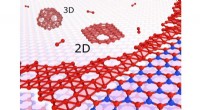
Nanotechnology works by manipulating the properties of matter at the atomic and molecular scale. This can be done by using a variety of techniques, including:
* Chemical synthesis: This technique involves using chemical reactions to create nanomaterials with specific properties.
* Physical vapor deposition: This technique involves vaporizing a material and then depositing it onto a substrate in a thin film.
* Molecular beam epitaxy: This technique involves growing thin films of materials by depositing them one layer at a time.
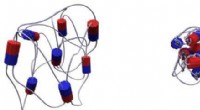
* Self-assembly: This technique involves using the natural forces of attraction and repulsion between molecules to create nanostructures.
What are the applications of nanotechnology?
Nanotechnology has a wide range of potential applications, including:
* Medicine: Nanotechnology can be used to develop new drugs, treatments, and devices that can target specific cells and tissues. For example, nanotechnology can be used to deliver drugs directly to cancer cells, or to create artificial implants that can replace damaged tissue.
* Energy: Nanotechnology can be used to develop new solar cells, fuel cells, and batteries. For example, nanotechnology can be used to create solar cells that are more efficient at converting sunlight into electricity, or to create batteries that can store more energy.
* Manufacturing: Nanotechnology can be used to develop new materials and processes that can improve the efficiency and quality of manufacturing. For example, nanotechnology can be used to create stronger and lighter materials for use in cars and airplanes, or to create new coatings that can protect surfaces from wear and tear.
What are the challenges of nanotechnology?
There are a number of challenges that need to be overcome before nanotechnology can be widely used. These challenges include:
* Cost: Nanotechnology is still a relatively expensive technology. This is because the equipment and materials needed for nanotechnology are specialized and expensive.
* Safety: The safety of nanomaterials is still not fully understood. Some nanomaterials can be harmful to human health if they are inhaled or ingested.
* Regulation: The regulation of nanotechnology is still in its early stages. This is because the unique properties of nanomaterials make it difficult to apply existing regulations.
Despite these challenges, nanotechnology has the potential to revolutionize many different industries. As research continues, the cost of nanotechnology will decrease, the safety of nanomaterials will be better understood, and regulations will be developed to ensure the safe use of nanotechnology. This will allow nanotechnology to be used to develop new products and technologies that can improve our lives in many ways.