* Nanoparticles can be used to remove heavy metals, organic pollutants, and other contaminants from water.
* Nanoscale materials can also be used to create water-resistant coatings for pipes and other surfaces, which can help to prevent contamination.
Energy Storage
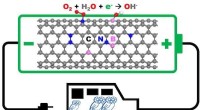
* Nanoparticles can be used to create more efficient batteries and other energy storage devices.
* Nanoscale materials can also be used to develop new solar cells and other renewable energy technologies.
Bioremediation
* Nanoparticles can be used to clean up contaminated soil and groundwater.
* Nanoscale materials can also be used to create biosensors that can detect the presence of pollutants.
Nanomedicine
* Nanoparticles can be used to deliver drugs and other treatments to specific cells in the body.
* Nanoscale materials can also be used to create new medical imaging techniques and diagnostic tests.
Consumer Products
* Nanoparticles are used in a variety of consumer products, including cosmetics, sunscreens, and clothing.
* Nanoscale materials can also be used to create new materials with unique properties, such as antimicrobial surfaces and self-cleaning windows.
Green Nanotechnology is still a relatively new field, but it has the potential to revolutionize many industries. By using nanotechnology to develop new and more sustainable technologies, we can create a healthier and more sustainable future for ourselves and for generations to come.