Cell walls are rigid structures that surround plant cells, providing them with strength and support. They are composed mainly of cellulose, a strong and durable material that is also the main component of wood and paper.
The process of cell wall formation, known as cellulose biosynthesis, is complex and involves many steps. Scientists have been studying this process for decades, but there are still many things that we don't know.
One of the key players in cellulose biosynthesis is a protein called cellulose synthase. This protein is responsible for assembling cellulose molecules into long chains. However, the exact mechanism by which cellulose synthase works is still not fully understood.
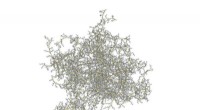
In a new study, published in the journal Nature Plants, scientists from the University of Cambridge used a combination of techniques, including X-ray crystallography and molecular dynamics simulations, to obtain new insights into the structure and function of cellulose synthase.
They found that cellulose synthase is a highly dynamic protein that undergoes constant conformational changes. These changes allow the protein to bind to and release sugar molecules, which are then used to build cellulose chains.
The researchers also identified several key amino acids that are essential for the activity of cellulose synthase. These amino acids could potentially be targeted by drugs or other chemicals to modulate cellulose biosynthesis.
This research provides new insights into the fundamental mechanisms of cell wall formation in plants. This knowledge could potentially be used to improve biofuel production by increasing the amount of cellulose in plant biomass. It could also be used to develop new nanotechnologies based on cellulose, such as stronger and more durable materials.
In addition, the study provides a better understanding of how plants respond to environmental stresses, such as drought and heat. This knowledge could help scientists develop new strategies to improve crop yields and resilience to climate change.