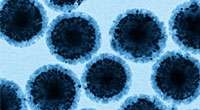
Platinum nanocages are tiny, hollow structures made of platinum atoms. They are about 100 nanometers in diameter, which is about 1,000 times smaller than the width of a human hair. The nanocages can be loaded with a variety of drugs, including chemotherapy drugs. When the nanocages are heated using near-infrared light, the drugs are released and the cancer cells are killed.
The researchers found that platinum nanocages were able to kill cancer cells in vitro and in vivo. In one experiment, the researchers injected platinum nanocages loaded with the chemotherapy drug doxorubicin into mice with tumors. The mice were then exposed to near-infrared light, which caused the nanocages to heat up and release the doxorubicin. The doxorubicin killed the cancer cells and the mice were cured of their tumors.
The researchers believe that platinum nanocages could be used to develop a new type of cancer treatment. This treatment would be less invasive and more effective than traditional chemotherapy. It would also be able to target cancer cells more precisely, reducing the risk of side effects.
The study is a proof-of-concept study, and more research is needed to determine the safety and efficacy of platinum nanocages for the treatment of cancer. However, the results of the study are promising and suggest that platinum nanocages could be a potential new weapon in the fight against cancer.