DNA Detection: Carbon nanotubes exhibit remarkable electrical properties that change upon interaction with DNA molecules. When a DNA molecule comes into contact with a carbon nanotube, it alters the tube's electrical conductance. This subtle change can be detected and measured, allowing for the identification and characterization of DNA sequences.
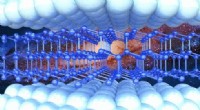
Nanopore Sensing: Carbon nanotubes can be fabricated into nanopores, which are tiny pores with diameters comparable to the size of DNA molecules. As DNA molecules pass through these nanopores, they disrupt the ionic current flowing through the tube. By measuring the changes in ionic current, researchers can decode the DNA sequence with high accuracy.
High-Throughput Sequencing: Carbon nanotubes enable massively parallel DNA sequencing, where millions of DNA molecules can be analyzed simultaneously. By integrating multiple nanopores or carbon nanotube arrays into a single device, scientists can achieve incredibly high throughput, accelerating the sequencing process.
Label-Free Detection: Unlike traditional sequencing methods that require fluorescent labels or chemical modifications, carbon nanotube-based sequencing techniques don't need any labeling. This label-free approach simplifies the sequencing process and reduces the chances of introducing errors or biases.
Speed and Accuracy: Carbon nanotubes offer the potential for extremely fast DNA sequencing. Nanopore-based sequencing using carbon nanotubes has demonstrated sequencing speeds measured in gigabases per hour, making it orders of magnitude faster than conventional methods. Furthermore, carbon nanotube-based sequencing can achieve high accuracy, comparable to or even surpassing existing sequencing technologies.
Integration with Nanoelectronics: Carbon nanotubes naturally integrate with nanoelectronic devices, enabling the development of miniaturized, portable, and cost-effective DNA sequencing devices. Such devices would democratize access to genetic sequencing, making it more accessible for research, diagnostics, and personalized medicine.
The use of carbon nanotubes for high-speed genetic sequencing brings significant advantages in terms of speed, accuracy, and accessibility. While still in development, carbon nanotube-based technologies hold immense promise for transforming the field of genomics and revolutionizing our understanding of genetics.