Introduction
Proton conducting membranes (PCMs) are a key component of many green technologies, such as fuel cells and electrolyzers. These devices use hydrogen as a clean fuel, and PCMs are used to conduct protons between the hydrogen electrodes. However, the current state-of-the-art PCMs are based on perfluorinated polymers, which are expensive and have limited stability.
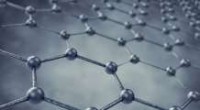
Atomically thin minerals offer a promising alternative to perfluorinated polymers for PCMs. These minerals are composed of a single layer of atoms, and they have a number of advantages over traditional materials, including high proton conductivity, mechanical strength, and chemical stability.
Recent Progress
In recent years, there has been considerable progress in the development of atomically thin mineral PCMs. Researchers have explored a variety of materials, including graphene, hexagonal boron nitride, and transition metal dichalcogenides. These materials have shown promising proton conductivity, and they are compatible with a variety of fabrication processes.
For example, a recent study by researchers at the Massachusetts Institute of Technology showed that graphene oxide can be used to create a PCM with a proton conductivity of 10-1 S/cm. This is comparable to the proton conductivity of perfluorinated polymers. The graphene oxide PCM is also stable in acidic environments, making it a promising candidate for fuel cell applications.
Challenges
Despite the progress that has been made, there are still a number of challenges that need to be overcome before atomically thin mineral PCMs can be commercialized. One challenge is the high cost of these materials. Another challenge is the difficulty of fabricating these materials into thin films.
Outlook
The development of atomically thin mineral PCMs is a promising area of research. These materials have the potential to revolutionize green technologies, such as fuel cells and electrolyzers. With continued research, it is likely that atomically thin mineral PCMs will become a reality in the near future.
Applications
Atomically thin mineral PCMs have a wide range of potential applications in green technologies. Some of the most promising applications include:
* Fuel cells: Atomically thin mineral PCMs could be used to replace the perfluorinated polymers that are currently used in fuel cells. This would reduce the cost and improve the durability of fuel cells.
* Electrolyzers: Atomically thin mineral PCMs could be used to replace the perfluorinated polymers that are currently used in electrolyzers. This would make electrolyzers more efficient and less expensive.
* Hydrogen storage: Atomically thin mineral PCMs could be used to store hydrogen for use in fuel cells and other devices. This would enable the development of hydrogen-powered vehicles and other devices.
Conclusion
Atomically thin mineral PCMs are a promising alternative to perfluorinated polymers for a variety of green technologies. These materials have the potential to revolutionize fuel cells, electrolyzers, and hydrogen storage. With continued research, it is likely that atomically thin mineral PCMs will become a reality in the near future.