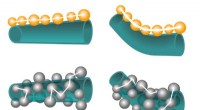
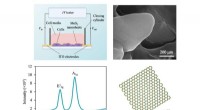
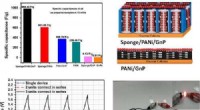
One of the most important advantages of nanodevices for tracking cellular changes is their ability to provide real-time, continuous monitoring. This allows researchers to capture dynamic cellular processes that would be difficult or impossible to observe using traditional methods, such as microscopy or flow cytometry. For example, nanodevices have been used to track the movement of proteins within cells, the formation and disassembly of protein complexes, and the changes in DNA methylation patterns that occur during development and disease.
In addition to their ability to provide real-time monitoring, nanodevices can also be used to track cellular changes at the single-cell level. This is important because cells within a population can exhibit a great deal of heterogeneity, and tracking individual cells over time can help to identify rare subpopulations of cells that may be responsible for specific diseases or therapeutic responses.
Nanodevices are still in their early stages of development, but they have the potential to revolutionize our understanding of how cells change over time. By providing real-time, continuous monitoring of cellular processes at the single-cell level, nanodevices can help us to identify new therapeutic targets and develop more effective treatments for a variety of diseases.
Here are some specific examples of how nanodevices have been used to track cellular changes over time:
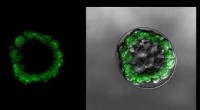
* Protein expression: Nanodevices can be used to track the expression of specific proteins within cells by using fluorescent tags or other labels that can be detected by the device. This information can be used to study how protein expression changes during development, disease, or in response to environmental stimuli.
* DNA methylation: Nanodevices can be used to track changes in DNA methylation patterns, which can affect gene expression and cellular function. This information can be used to study how DNA methylation changes during development, disease, or in response to environmental stimuli.
* Cellular morphology: Nanodevices can be used to track changes in cellular morphology, such as changes in cell size, shape, or cytoskeletal organization. This information can be used to study how cellular morphology changes during development, disease, or in response to environmental stimuli.
Nanodevices are a powerful tool for tracking cellular changes over time, and they have the potential to revolutionize our understanding of how cells function and how they change in response to various stimuli.