1. Enhanced Permeability and Retention (EPR) Effect:
- Exploit the EPR effect, which occurs in many tumors due to leaky blood vessels and impaired lymphatic drainage.
- Design nanoparticles of an appropriate size (typically 10-100 nm) to passively accumulate within tumor tissue.
2. Targeting Ligands:
- Attach targeting ligands to nanoparticles to enhance their specificity toward cancer cells.
- Ligands can target specific receptors or antigens overexpressed on cancer cells or tumor vasculature.
- Examples of targeting ligands include antibodies, peptides, aptamers, and small molecules.
3. Active Targeting:
- Use nanoparticles that actively seek out and bind to cancer cells.
- This can be achieved by incorporating targeting ligands or by using stimuli-responsive nanoparticles that respond to the tumor microenvironment.
4. Stimuli-Responsive Nanoparticles:
- Design nanoparticles that can release their payload in response to specific triggers within the tumor microenvironment.
- Triggers can include changes in pH, temperature, or the presence of certain enzymes or molecules.
- Stimuli-responsive nanoparticles can enhance drug release at the tumor site and minimize systemic toxicity.
5. Combination Therapy:
- Combine nanoparticles with other therapeutic agents or modalities, such as chemotherapy, radiotherapy, or immunotherapy.
- This can improve treatment efficacy and overcome drug resistance.
6. Nanoparticle Surface Engineering:
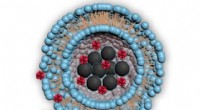
- Modify the surface of nanoparticles to improve their stability, circulation time, and cellular uptake.
- Surface engineering can involve PEGylation (coating with polyethylene glycol), functionalization with specific polymers, or incorporation of stealth agents.
7. Microfluidic Devices:
- Utilize microfluidic devices to precisely control the size, shape, and composition of nanoparticles.
- Microfluidic techniques enable the production of uniform and well-defined nanoparticles with enhanced targeting abilities.
8. Patient-Specific Nanoparticles:
- Develop personalized nanoparticles based on individual patient characteristics, such as tumor type, genetic mutations, and drug response.
- Patient-specific nanoparticles can improve treatment outcomes and minimize adverse effects.
9. Preclinical Models and Imaging Techniques:
- Use advanced preclinical models and imaging techniques to evaluate nanoparticle delivery and efficacy.
- This helps optimize nanoparticle design and delivery strategies before moving to clinical trials.
By employing these strategies, researchers can improve the delivery of cancer-fighting nanoparticles to tumors, enhance their efficacy, and minimize systemic toxicity, leading to more effective cancer therapies.