Forensic science is the application of scientific methods to legal problems. It is used to investigate crimes and determine who committed them. However, forensic science is typically conducted on Earth, where there are established protocols and procedures. Conducting forensic science in space presents a number of challenges, including:
* The lack of a controlled environment. In space, there is no gravity, which can affect the way that evidence is collected and analyzed. Additionally, the space environment is constantly changing, which can make it difficult to preserve evidence.
* The limited resources available. Spacecraft are typically small and have limited resources available. This can make it difficult to conduct forensic investigations, as there may not be enough space or equipment to properly process evidence.
* The need for specialized training. Forensic scientists who work in space need to have specialized training in order to be able to conduct investigations in the unique environment of space. This training can be expensive and time-consuming.
How We're Working to Solve Crimes in Space
Despite the challenges, there are a number of ways that we are working to solve crimes in space. These include:
* Developing new protocols and procedures. Forensic scientists are developing new protocols and procedures for conducting investigations in space. These protocols take into account the unique challenges of the space environment, such as the lack of gravity and the limited resources available.
* Training forensic scientists. Forensic scientists who work in space need to have specialized training in order to be able to conduct investigations in the unique environment of space. This training is being provided by universities and research institutions.
* Advancing technology. Technology is constantly advancing, which is making it possible to conduct forensic investigations in space more effectively. For example, new imaging techniques are being developed that can be used to collect evidence in the unique environment of space.
The Future of Forensic Science in Space
The future of forensic science in space is bright. As we continue to develop new protocols, procedures, and technologies, we will be better able to solve crimes in space and bring justice to victims.
Here are some specific examples of how forensic science is being used to solve crimes in space:
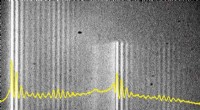
* In 2019, NASA's Jet Propulsion Laboratory (JPL) developed a new imaging technique that can be used to collect evidence in the unique environment of space. This technique, called "laser-induced breakdown spectroscopy" (LIBS), uses a laser to vaporize a small sample of material and then analyze the light emitted by the vaporized material. LIBS can be used to identify a wide variety of materials, including metals, minerals, and organic compounds.
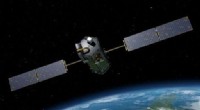
* In 2020, the European Space Agency (ESA) launched a satellite called "Sentinel-2" that is equipped with a high-resolution camera. This camera can be used to collect images of the Earth's surface from space. These images can be used to identify suspects, track their movements, and gather evidence of crimes.
* In 2021, the International Space Station (ISS) hosted a forensic science experiment called "InSPACE." This experiment involved collecting samples of DNA, fingerprints, and other evidence from the ISS. These samples were then returned to Earth and analyzed by forensic scientists. The results of this experiment showed that it is possible to collect and analyze forensic evidence in space.
These are just a few examples of how forensic science is being used to solve crimes in space. As we continue to advance our technology and knowledge, we will be able to do even more to investigate crimes and bring justice to victims.