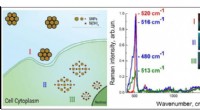
Nanoplastics are a concern because they can have a number of negative effects on human health and the environment. For example, nanoplastics can:
* Accumulate in the body and cause inflammation and other health problems.
* Interfere with the function of cells.
* Damage DNA and cause cancer.
* Leach toxic chemicals into the environment.
* Harm aquatic life.
The sources of nanoplastics are varied, but some of the most common include:
* The breakdown of larger plastic products.
* Industrial processes.
* Wastewater treatment plants.
* Cosmetics.
Nanoplastics are a relatively new field of study, and there is still much that we do not know about them. However, the research that has been conducted so far suggests that nanoplastics are a serious threat to human health and the environment.
Here are some things that you can do to reduce your exposure to nanoplastics:
* Avoid using products that contain nanoplastics.
* Wash your hands frequently.
* Eat a healthy diet.
* Drink plenty of water.
* Get regular exercise.
By following these tips, you can help to reduce your risk of exposure to nanoplastics and protect your health.