How does nanotechnology work?
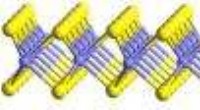
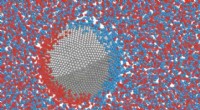
Nanotechnology works by manipulating the properties of materials at the atomic and molecular scale. This can be done by changing the size, shape, or composition of the materials. For example, changing the size of a material can change its color, strength, or electrical conductivity.
What are some of the applications of nanotechnology?
Nanotechnology has a wide range of potential applications, including:
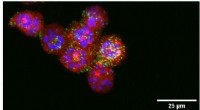
* Medicine: Nanotechnology can be used to develop new drugs, treatments, and diagnostic tools. For example, nanoparticles can be used to deliver drugs directly to cancer cells, reducing the side effects of chemotherapy.
* Manufacturing: Nanotechnology can be used to develop new materials and processes for manufacturing. For example, nanoparticles can be used to create stronger, lighter, and more durable materials.
* Energy: Nanotechnology can be used to develop new energy sources and storage systems. For example, nanoparticles can be used to create solar cells that are more efficient and cheaper to produce.
* Environmental science: Nanotechnology can be used to develop new technologies for cleaning up pollution and protecting the environment. For example, nanoparticles can be used to remove heavy metals from water and soil.
What are the challenges of nanotechnology?
There are a number of challenges associated with nanotechnology, including:
* The high cost of research and development: Nanotechnology is a relatively new field of research, and the cost of developing new nanotechnology-based products can be high.
* The potential for health and environmental risks: There is some concern that nanoparticles could pose a health risk, if they are not properly contained.
* The need for new regulations: Nanotechnology is a rapidly developing field, and there is a need for new regulations to ensure the safe development and use of nanotechnology.
Despite these challenges, nanotechnology has the potential to revolutionize many different industries and improve our quality of life.