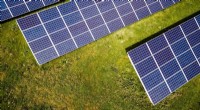
1. Solar Panel:
- The shower system includes a solar panel, usually black to absorb more sunlight.
- Sunlight hits the panel, converting light energy into heat energy.
2. Water Tank:
- The heated water is stored in a tank, typically insulated to prevent heat loss.
- Some systems have a built-in tank, while others require a separate tank.
3. Circulation:
- A pump circulates water through the system.
- Cold water enters the tank, is heated by the solar panel, and then is circulated back out to the shower head.
4. Shower Head:
- The heated water flows through the shower head for showering.
Types of Solar Showers:
* Direct Heating Systems: The most basic type. Water flows directly through the solar panel, getting heated before reaching the shower head. They are simple but less efficient, especially in cloudy weather.
* Indirect Heating Systems: These use a separate water tank to store and heat the water. This offers greater insulation and heat retention, providing warmer showers even in cooler weather.
* Hybrid Systems: Combine elements of direct and indirect heating. They often have a small solar panel for direct heating, along with a tank for storing additional heated water.
Benefits of Solar Showers:
* Environmentally friendly: Solar showers reduce reliance on fossil fuels, lessening your carbon footprint.
* Cost-effective: Once installed, they offer free hot water, significantly reducing your water heating bills.
* Easy to install: Some models are easy to assemble and can be used in various settings, from camping to backyard showers.
Considerations:
* Sunshine: Solar showers require ample sunlight to operate efficiently.
* Location: Placement of the solar panel is crucial for optimal sunlight exposure.
* Capacity: Some systems have limited water storage capacity, meaning you may need to wait for water to reheat between showers.
Overall, solar powered showers offer a sustainable and cost-effective way to enjoy hot showers without relying solely on traditional energy sources.