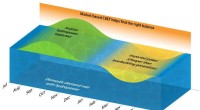
Factors Affecting Solar Panel Output:
* Sunlight Hours: The amount of sunlight the panel receives directly impacts its output. Different locations have varying sunlight hours throughout the year.
* Panel Efficiency: Different solar panels have varying efficiencies, meaning they convert sunlight to electricity at different rates.
* Angle of the Panel: The angle at which the panel is installed affects how much direct sunlight it receives.
* Weather Conditions: Clouds, rain, snow, and dust can all reduce solar panel output.
Calculation Example:
To illustrate, let's assume a few things:
* Peak Sun Hours: 5 hours of full sunlight per day (average for many locations)
* Panel Efficiency: 15% (a reasonable efficiency for a standard panel)
Calculation:
* Energy Production per hour: 200 watts * 0.15 (efficiency) = 30 watts
* Energy Production per day: 30 watts * 5 hours = 150 watt-hours
* Energy Production per day (kWh): 150 watt-hours / 1000 = 0.15 kWh
In Conclusion:
A 200-watt solar panel, under ideal conditions (5 peak sun hours and 15% efficiency), could produce approximately 0.15 kWh per day. However, actual output will vary significantly based on the factors mentioned above.
To get a more accurate estimate, you'll need to consider the specific conditions where the panel will be installed. Solar energy calculators and online tools can help you factor in these conditions and estimate your potential energy production.