The Sun's Influence on Hydropower:
* Evaporation: The sun's heat drives evaporation, which is the process of water turning from liquid to vapor. This contributes to the water cycle, which is essential for maintaining water levels in rivers and lakes.
* Precipitation: Evaporation leads to increased atmospheric moisture, which eventually falls back to Earth as precipitation (rain, snow, etc.). This precipitation replenishes the water sources that feed hydropower plants.
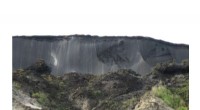
* Glacier Melt: In regions with glaciers, the sun's heat melts glaciers, contributing to the water flow of rivers and streams. This melted water can be used for hydropower generation, particularly during the warmer months.
The Indirect Relationship:
* Seasonal Variations: The sun's intensity varies throughout the year, leading to seasonal changes in precipitation and evaporation. This, in turn, affects the flow of rivers and the output of hydropower plants. For instance, hydropower generation tends to be higher in the spring and early summer when snowmelt is most significant.
* Climate Change: Changes in the Earth's climate due to increased greenhouse gas emissions (which are partly caused by the sun's energy being trapped) can have a significant impact on water availability and hydropower generation.
Directly, the sun doesn't power a hydropower plant. Hydropower relies on the gravitational pull of the Earth on water stored in a reservoir, causing water to flow downhill through turbines to generate electricity.
However, the sun plays a critical role in the water cycle, which is essential for maintaining the water sources that feed hydropower plants.