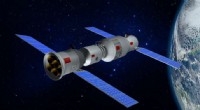
Launch and Journey to the Moon (July 16-20, 1969):
* Launch: Apollo 11 launched from Kennedy Space Center in Florida, carrying astronauts Neil Armstrong, Buzz Aldrin, and Michael Collins.
* Trans-Lunar Injection (TLI): After entering Earth orbit, the Saturn V rocket fired its third stage, sending the spacecraft on a trajectory towards the Moon.
* Mid-Course Correction: Minor course adjustments were made en route to ensure a precise lunar landing.
* Lunar Orbit: Apollo 11 entered lunar orbit on July 19, 1969.
Lunar Landing (July 20, 1969):
* Lunar Module Descent: Armstrong and Aldrin entered the Lunar Module (LM), nicknamed "Eagle," and separated from the Command Module (CM), "Columbia," piloted by Collins.
* Landing: Armstrong piloted the LM down to the surface of the Moon, landing in the Sea of Tranquility at 2:17 PM EDT on July 20, 1969. His famous quote, "That's one small step for man, one giant leap for mankind," was spoken shortly after.
* Extravehicular Activity (EVA): Armstrong and Aldrin spent about two and a half hours outside the LM, collecting lunar samples, planting the American flag, and taking iconic photographs.
Return to Earth (July 21-24, 1969):
* Ascent: After their lunar surface exploration, Armstrong and Aldrin launched from the Moon, leaving the descent stage behind.
* Docking: The LM docked with the CM in lunar orbit.
* Trans-Earth Injection (TEI): The CM fired its engine to leave lunar orbit and begin the journey back to Earth.
* Splashdown: Apollo 11 splashed down in the Pacific Ocean on July 24, 1969, marking a triumphant return and the end of a historic mission.
Key Moments and Accomplishments:
* First Humans on the Moon: Apollo 11's mission achieved the ultimate goal of the Apollo program, landing the first humans on the Moon.
* Scientific Discovery: Lunar samples collected by Armstrong and Aldrin provided valuable data about the Moon's geology and composition.
* Inspiration and Global Impact: The Apollo 11 mission captured the world's attention and served as a symbol of human ingenuity and the potential for exploration.
Beyond the Headlines:
* Challenges: The mission faced challenges like potential fuel shortages during the lunar landing and concerns about engine failures.
* Global Cooperation: The Apollo program, including Apollo 11, benefited from international cooperation and scientific exchange.
* Legacy: Apollo 11 remains a landmark achievement in human history, inspiring generations of scientists, engineers, and explorers.