Here's why:
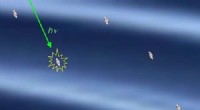
* Ice crystals: Solar pillars are formed by the reflection of sunlight off of tiny, flat, hexagonal ice crystals suspended in the atmosphere. These crystals are most abundant in the cold, high-altitude cirrus clouds that are often present at twilight.
* Low sun angle: For the pillars to form, the sunlight needs to be at a low angle in the sky, which is the case during sunrise and sunset. The sunlight strikes the ice crystals at a specific angle, causing it to reflect upwards, creating the pillar-like effect.
Other factors that increase the chances of seeing a solar pillar:
* Calm weather: Wind can disrupt the ice crystals, making it harder for them to align properly to create the pillars.
* Cold temperatures: Cold temperatures are more likely to produce ice crystals in the atmosphere.
So, if you want to catch a glimpse of this beautiful phenomenon, keep your eyes peeled at the horizon during twilight, especially on cold, calm days!