1. Increased Kinetic Energy:
* Heat is a form of energy. When you heat something, you're transferring energy to its particles.
* This energy is stored as kinetic energy, which is the energy of motion.
2. Faster Vibrations:
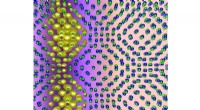
* In solids, particles are tightly packed and vibrate in place.
* As they absorb heat, they vibrate faster and with greater amplitude.
3. Increased Spacing:
* In liquids and gases, particles have more freedom to move around.
* As they absorb heat, they move faster and collide more frequently.
* This increased movement causes them to spread out, taking up more space.
4. Changes of State:
* With enough heat, particles can overcome the forces holding them together.
* This leads to changes of state:
* Solid to Liquid (melting)
* Liquid to Gas (boiling/evaporation)
In Summary:
* Heating particles gives them more energy, which manifests as faster motion.
* The way this motion changes depends on the state of matter.
* Ultimately, heating a substance increases its internal energy and can cause it to change state.