* Shape: Typically spherical, but can be irregular or even elongated in some cells.
* Size: Varies depending on the cell type and its activity level. Generally, it is the largest structure within the nucleus.
* Structure: The nucleolus is not membrane-bound, meaning it does not have a surrounding membrane like other organelles. It is composed of ribosomal RNA (rRNA), proteins, and DNA (specifically the nucleolar organizer regions of chromosomes, which contain the genes for rRNA).
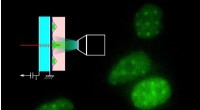
* Appearance: When viewed under a microscope, the nucleolus appears as a darkly stained region within the nucleus. This is due to the high concentration of rRNA and proteins within the nucleolus.
Key Components:
* Fibrillar centers: These are regions of DNA containing the rRNA genes.
* Dense fibrillar component: Contains newly transcribed rRNA and proteins.
* Granular component: Contains maturing ribosomes.
Function:
The nucleolus is the site of ribosome biogenesis. This process involves the synthesis and assembly of rRNA and ribosomal proteins into functional ribosomes, which are essential for protein synthesis.
In summary, the nucleolus is a non-membrane-bound, dense, spherical structure within the nucleus that is responsible for the synthesis of ribosomes. It is characterized by its distinct appearance and the presence of specific components like fibrillar centers and granular components.