Here's a breakdown:
* Concentration: The amount of a substance in a given area.
* High Concentration: A region where the substance is densely packed.
* Low Concentration: A region where the substance is less densely packed.
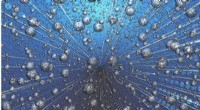
* Diffusion: The natural tendency of particles to spread out from areas of high concentration to areas of low concentration.
Examples of Diffusion:
* Perfume: When you spray perfume, the scent molecules spread out from the bottle, filling the room.
* Tea: When you put a tea bag in hot water, the tea molecules diffuse out of the bag and into the water, making it taste like tea.
* Sugar in Water: If you stir sugar into water, the sugar molecules will diffuse throughout the water, making it sweet.
Diffusion is a fundamental process in biology, chemistry, and physics. It plays a vital role in many essential functions, such as:
* Cell Respiration: The intake of oxygen and the removal of carbon dioxide from cells.
* Nutrient Transport: The movement of nutrients from the digestive system to the body's cells.
* Waste Removal: The removal of waste products from cells.