Here's a breakdown:
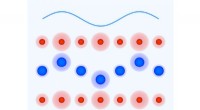
* Diffusion: The spontaneous movement of particles from an area of higher concentration to an area of lower concentration. This movement continues until the concentration of the particles is equal throughout the substance.
* High Concentration: A region where there are more particles of a substance packed together.
* Low Concentration: A region where there are fewer particles of a substance packed together.
Think of it like this: Imagine dropping a drop of food coloring into a glass of water. The food coloring molecules are initially concentrated in the drop. Over time, they will spread out evenly throughout the water, moving from the area of high concentration (the drop) to the area of low concentration (the rest of the water). This is diffusion.
Key factors influencing diffusion:
* Temperature: Higher temperatures increase the rate of diffusion because particles move faster.
* Concentration Gradient: A larger difference in concentration between the two areas will lead to faster diffusion.
* Surface Area: A larger surface area allows for more contact between the areas of high and low concentration, increasing the rate of diffusion.