Knowledge:
* Basic Mathematics: Solid understanding of algebra, trigonometry, and some calculus is essential.
* Basic Science Concepts: A foundation in chemistry, biology, and other science subjects helps you understand the interactions of physical systems.
* Logic and Reasoning: Physics requires analytical thinking and problem-solving skills.
* Curiosity and a Desire to Understand: A genuine interest in how the world works is crucial for motivation and enjoyment.
Skills:
* Problem-Solving: Physics involves applying principles to solve real-world problems.
* Critical Thinking: Analyzing information, identifying patterns, and drawing conclusions.
* Visualization: Imagining physical processes and representing them mathematically.
* Communication: Explaining complex concepts clearly and concisely, both orally and in writing.
Resources:
* Textbooks and Online Resources: There are numerous high-quality resources available, including textbooks, online courses, and video lectures.
* Teachers and Mentors: A good teacher can guide you through complex concepts and provide valuable feedback.
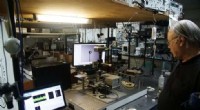
* Laboratory Experiments: Hands-on experience helps you apply theoretical knowledge and develop practical skills.
* Collaboration with Other Students: Working with peers fosters discussion and encourages learning from different perspectives.
Here's a possible learning path:
1. Start with the Basics: Begin with introductory physics concepts like motion, forces, energy, and matter.
2. Build a Strong Mathematical Foundation: Make sure you're comfortable with algebra, trigonometry, and basic calculus.
3. Explore Different Branches of Physics: Dive into areas like mechanics, electricity and magnetism, optics, thermodynamics, and modern physics.
4. Apply Your Knowledge: Practice solving problems and engaging in hands-on experiments.
5. Stay Curious and Engaged: Read about current research in physics and explore topics that interest you.
Remember:
* Learning physics takes time and effort. Be patient with yourself and don't be afraid to ask for help when needed.
* It's a continuous journey. There's always more to learn in physics.
Have fun learning about the universe!