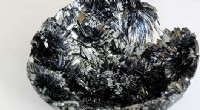
1. At a Microscopic Level:
* Faults: When the tension exceeds the rock's strength, it can fracture, creating faults. These faults can be small, or they can extend for hundreds of kilometers.
* Rock Deformation: Rocks can be stretched and thinned, resulting in a type of deformation called extensional strain. This can lead to the formation of folds and other structures.
2. At a Larger Scale:
* Continental Rifting: When the tension is intense and widespread, it can cause continents to split apart. This process is called continental rifting and leads to the formation of rift valleys, volcanoes, and eventually new ocean basins.
* Earthquakes: When the tension builds up along a fault and is suddenly released, it can cause an earthquake. The earthquake's magnitude and severity depend on the amount of built-up tension and the size of the fault.
3. Other Effects:
* Volcanism: Tension can sometimes trigger volcanic eruptions, especially in areas where the Earth's crust is being thinned and stretched.
* Mountain Building: While tension is often associated with rifting and stretching, it can also play a role in mountain building. When rocks are stretched and thinned, they can become weaker and more susceptible to folding and uplift.
In summary: Tension within the Earth is a powerful force that can cause a wide variety of geological phenomena, from microscopic fractures to the formation of new oceans. It is a key process that shapes the Earth's surface and drives many of the tectonic events we see today.