Force (F) = Mass (m) x Acceleration (a)
Let's break down how this relationship works:
* Force (F): Force is a push or pull that can change the motion of an object. It is measured in Newtons (N).
* Mass (m): Mass is the amount of matter in an object. It is a measure of an object's inertia, meaning its resistance to changes in motion. Mass is measured in kilograms (kg).
* Acceleration (a): Acceleration is the rate of change of velocity. It is measured in meters per second squared (m/s²).
Here's how force affects mass and acceleration:
Force and Mass:
* Direct Proportion: The force required to accelerate an object is directly proportional to its mass. This means that if you double the mass, you need to double the force to achieve the same acceleration.
* Example: Imagine pushing a shopping cart. A full cart has more mass than an empty cart. You'll need to apply more force to push the full cart at the same speed as the empty cart.
Force and Acceleration:
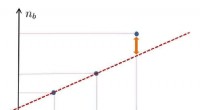
* Direct Proportion: The acceleration of an object is directly proportional to the force applied to it. This means that if you double the force, you double the acceleration.
* Example: If you push a box with a certain force, it will accelerate at a specific rate. If you push the box with twice the force, it will accelerate at twice the rate.
Key Points:
* Newton's Second Law is a fundamental principle in physics. It describes the relationship between force, mass, and acceleration in a simple and elegant way.
* Understanding this relationship is crucial for analyzing motion, understanding how things move, and for many applications in engineering and science.
Let me know if you'd like to explore any of these concepts further or have any specific examples in mind!