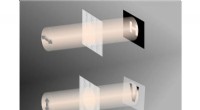
* Friction is a force that acts over a distance. The more distance an object travels while experiencing friction, the more work is done by friction. Work is the force applied over a distance.
* Distance is the total path traveled. Friction can occur over the entire path.
* Displacement is the change in position. Friction can occur over a distance that is greater than the displacement. For example, if you walk in a circle, your displacement is zero, but you will experience friction over the entire distance you walked.
Here's a more concrete example:
Imagine pushing a heavy box across a rough floor.
* Distance: The total length of the path you push the box, say 10 meters.
* Displacement: The straight-line distance between the starting and ending point, which might be less than 10 meters if you pushed the box at an angle.
* Friction: The force that resists the box's motion, acting against the box's movement over the entire 10 meters of distance traveled.
In summary:
* Friction is a force that acts over a distance.
* Distance is the total path traveled.
* Displacement is the change in position.
Friction is not directly dependent on either distance or displacement, but it acts over a distance and can affect the displacement of an object.